

Top Insights in Video Post-Production Trends

Video post-production is evolving rapidly, shaping how stories are told and experienced. For world-class content creators and filmmakers, staying ahead means understanding the latest trends that influence editing, sound design, and visual effects. This article dives into the top insights in video post-production trends, offering practical advice and examples to help elevate your projects.
Emerging Video Post-Production Trends to Watch
The landscape of video post-production is changing with new technologies and creative approaches. One major trend is the increased use of artificial intelligence (AI) in editing workflows. AI tools can automate repetitive tasks like color correction, audio cleanup, and even rough cuts. This saves time and allows editors to focus on creative decisions.
Another trend is the rise of remote collaboration. Cloud-based platforms enable teams to work together from different locations, sharing edits and feedback in real time. This flexibility is crucial for global projects and tight deadlines.
High Dynamic Range (HDR) and 4K resolution continue to gain traction, offering richer colors and sharper images. These formats demand more from post-production but result in stunning visuals that captivate audiences.
Practical tip: Experiment with AI-powered plugins to speed up your workflow. For example, try automated color grading tools to maintain consistency across scenes without manual adjustments.

How Video Post-Production Trends Enhance Storytelling
Post-production is not just about technical polish; it’s where stories truly come alive. Trends like immersive sound design and motion graphics add layers of emotion and clarity to narratives.
Sound design has evolved with spatial audio and 3D soundscapes, creating an immersive experience that draws viewers deeper into the story. Filmmakers can now place sounds in a three-dimensional space, making scenes feel more realistic and engaging.
Motion graphics and visual effects (VFX) are also becoming more sophisticated and accessible. From subtle title animations to complex CGI, these elements help communicate ideas and mood without overwhelming the viewer.
Example: A documentary about nature might use 3D sound to simulate the environment, making viewers feel like they are inside the forest. Meanwhile, animated infographics can clarify complex data without breaking the flow.
Actionable advice: Invest time in learning sound layering techniques and explore affordable VFX software to add professional touches to your projects.
The Role of Automation and AI in Post-Production
Automation and AI are transforming post-production by handling time-consuming tasks. This includes:
Scene detection: Automatically identifying cuts and transitions.
Audio enhancement: Removing background noise and balancing levels.
Subtitle generation: Creating accurate captions quickly.
These tools reduce manual labor and improve accuracy. However, human creativity remains essential for storytelling and final decisions.
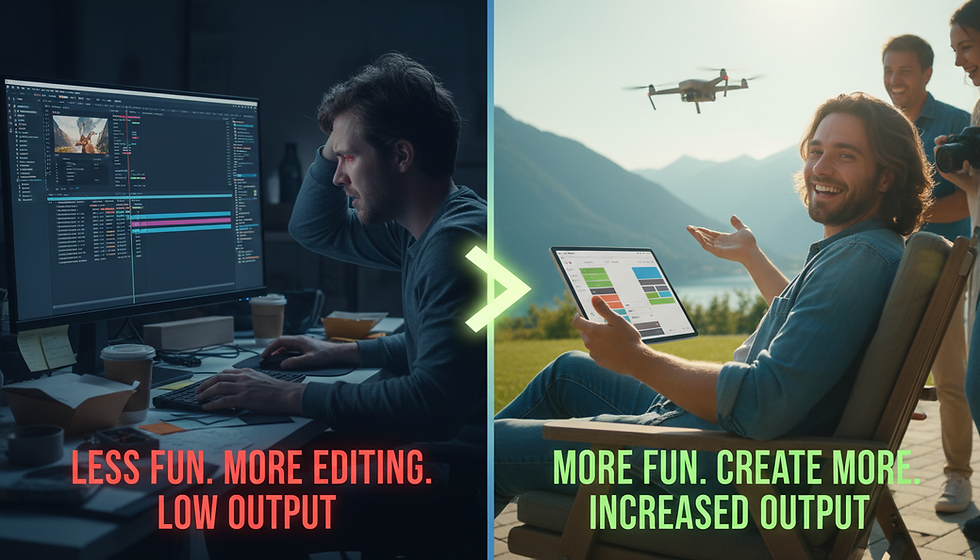
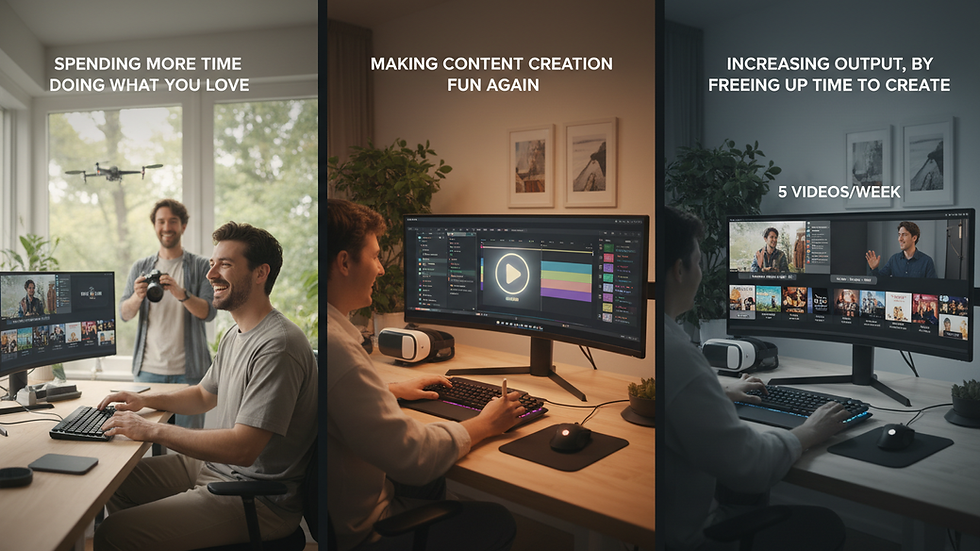
Why does this matter? Automation frees up editors to focus on creative storytelling rather than technical chores. It also speeds up delivery times, which is critical in today’s fast-paced content environment.
Recommendation: Use AI tools as assistants, not replacements. Always review automated edits to ensure they align with your creative vision.

Integrating Color Grading and Sound Design for Cinematic Quality
Color grading and sound design are pillars of cinematic post-production. Together, they set the tone and mood of a film.
Color grading enhances the visual narrative by adjusting hues, contrast, and brightness. It can evoke emotions, highlight details, and unify the look of a project. Modern grading tools offer precise control and support HDR workflows.
Sound design complements visuals by adding depth and realism. From ambient noises to carefully crafted effects, sound shapes the audience’s emotional response.
Pro tip: Collaborate closely between colorists and sound designers. When these elements work in harmony, the final product feels polished and immersive.
For example, a suspense scene might use cool blue tones combined with subtle, tense soundscapes to build anticipation.
Future-Proofing Your Post-Production Workflow
Adapting to trends means future-proofing your workflow. This involves:
Investing in scalable hardware and software that support 4K, HDR, and AI tools.
Embracing cloud-based collaboration to work efficiently with remote teams.
Continuously learning new techniques through tutorials, workshops, and industry blogs.
Keeping your workflow flexible allows you to incorporate new technologies without disrupting your creative process.
Curious about where to start? Explore resources like an online video post production blog to stay updated on tools and techniques.
Elevate Your Projects with Expert Post-Production
Mastering video post-production trends is key to delivering high-quality content that resonates. By leveraging AI, embracing remote collaboration, and focusing on cinematic color grading and sound design, creators can tell more compelling stories.
Remember, technology is a tool to enhance creativity, not replace it. The best results come from blending innovation with artistic vision.
Are you ready to take your post-production to the next level? Start experimenting with these trends today and watch your projects transform.
This overview highlights the most impactful video post-production trends shaping the industry. Staying informed and adaptable will help content creators and filmmakers produce work that stands out in a crowded market.

Comments