

Elevating Your Video Quality: Essential Post-Production Techniques

Updated: Jun 15
Understanding the Importance of Post-Production
Post-production is the stage where the magic happens. It is the process of editing and refining your footage after filming. This phase is crucial for several reasons:
Enhancement of Visuals: Post-production allows you to correct colors, adjust lighting, and add effects that enhance the overall look of your video.
Storytelling: Through editing, you can shape the narrative, ensuring that your video flows smoothly and keeps the audience engaged.
Professionalism: High-quality post-production can elevate your video from amateur to professional, making it more appealing to viewers.
By investing time and effort into post-production, you can ensure that your videos stand out in a crowded digital landscape.
Key Post-Production Techniques to Enhance Video Quality
Color Correction and Grading
Color correction is the process of adjusting the colors in your footage to achieve a balanced and natural look. This step is essential for ensuring that your video appears consistent and visually appealing. Here are some tips for effective color correction:
Use Color Wheels: Most editing software includes color wheels that allow you to adjust the shadows, midtones, and highlights of your footage. This can help you achieve a more balanced color palette.
Match Shots: If your video includes multiple shots, ensure that the colors are consistent across all clips. This creates a cohesive look and feel.
Experiment with LUTs: Look-Up Tables (LUTs) can be applied to give your footage a specific style or mood. Experiment with different LUTs to find the one that best fits your video.
Color grading goes a step further by applying a creative color palette to your footage. This can evoke specific emotions and enhance the storytelling aspect of your video.
Audio Enhancement
Good audio quality is just as important as visual quality. Poor audio can distract viewers and diminish the overall impact of your video. Here are some audio enhancement techniques:
Noise Reduction: Use audio editing tools to remove background noise and enhance the clarity of dialogue. This is especially important for interviews or narrative-driven content.
Equalization: Adjust the frequency levels of your audio to ensure that voices are clear and balanced. This can help eliminate muddiness and enhance the overall sound quality.
Adding Sound Effects and Music: Incorporating sound effects and background music can elevate your video’s emotional impact. Choose music that complements the tone of your video and enhances the viewer's experience.
Transitions and Effects
Transitions and effects can add a professional touch to your video, but they should be used sparingly. Here are some guidelines:
Use Simple Transitions: Avoid overly flashy transitions that can distract from the content. Simple cuts or fades are often more effective.
Add Motion Graphics: Incorporating motion graphics can help emphasize key points or add visual interest. For example, animated text can be used to highlight important information.
Be Consistent: Maintain a consistent style for transitions and effects throughout your video. This helps create a cohesive viewing experience.
Stabilization
Shaky footage can be distracting and unprofessional. If your video includes handheld shots, consider using stabilization techniques during post-production:
Software Stabilization: Many editing programs offer stabilization tools that can smooth out shaky footage. This can significantly improve the viewing experience.
Tripods and Gimbals: For future projects, consider using tripods or gimbals to capture steadier shots. This can reduce the need for stabilization in post-production.
Cropping and Framing
Cropping your footage can help improve composition and focus on the main subject. Here are some tips for effective cropping:
Follow the Rule of Thirds: Use the rule of thirds to frame your shots. This technique involves dividing the frame into a grid and placing key elements along the lines or at their intersections.
Remove Distracting Elements: If there are distracting elements in the background, cropping can help eliminate them and keep the viewer’s attention on the main subject.
Adjust Aspect Ratios: Depending on the platform where you plan to share your video, you may need to adjust the aspect ratio. Ensure that your video looks good on both widescreen and mobile formats.
The Role of Software in Post-Production
Choosing the right editing software is crucial for maximizing your video quality. Here are some popular options:
Adobe Premiere Pro: A professional-grade editing software that offers a wide range of tools for color correction, audio enhancement, and effects.
Final Cut Pro: A favorite among Mac users, this software provides powerful editing capabilities and a user-friendly interface.
DaVinci Resolve: Known for its advanced color grading tools, DaVinci Resolve is a great choice for those looking to enhance their video’s visual quality.
When selecting software, consider your specific needs and budget. Many programs offer free trials, allowing you to test them before making a commitment.
Tips for Efficient Post-Production Workflow
A well-organized workflow can save you time and frustration during the editing process. Here are some tips:
Organize Your Files: Create a clear folder structure for your project files, including separate folders for footage, audio, and graphics. This makes it easier to locate assets during editing.
Use Keyboard Shortcuts: Familiarize yourself with keyboard shortcuts for your editing software. This can speed up your workflow and make the editing process more efficient.
Set Realistic Deadlines: Give yourself ample time for post-production. Rushing through the editing process can lead to mistakes and lower quality.
The Future of Video Post-Production
As technology continues to evolve, so does the landscape of video post-production. New tools and techniques are emerging, making it easier for creators to produce high-quality content. Embracing these advancements can help filmmakers stay ahead of the curve.
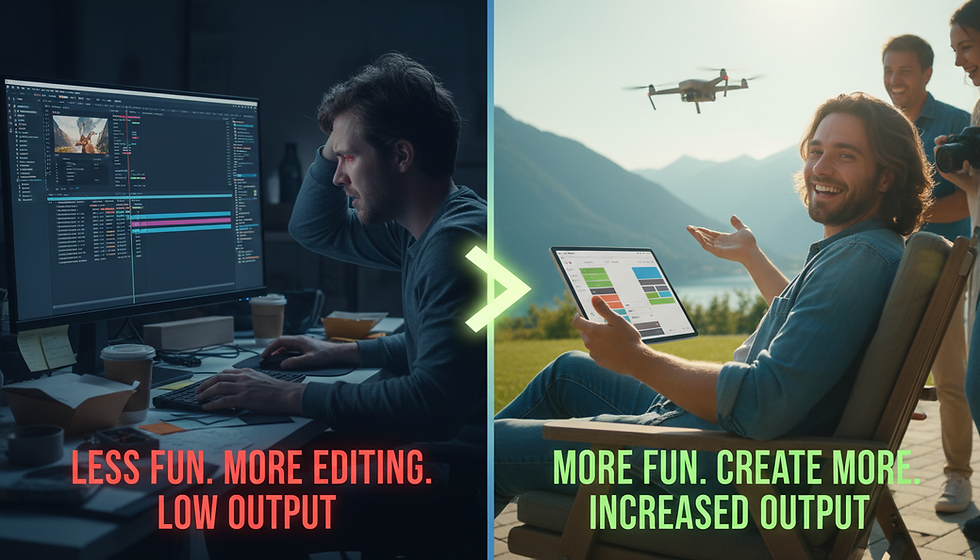
Artificial Intelligence: AI is transforming post-production by automating tasks like color correction and audio syncing. This can save time and allow creators to focus on storytelling.
Cloud-Based Editing: Cloud technology enables collaborative editing, allowing teams to work together from different locations. This can streamline the production process and enhance creativity.
Virtual Reality and 360-Degree Video: As VR and 360-degree content gain popularity, post-production techniques will need to adapt. Understanding how to edit this type of footage will be essential for future filmmakers.
Conclusion
Maximizing your video quality through post-production techniques is essential for creating engaging and professional content. By focusing on color correction, audio enhancement, transitions, stabilization, and effective software use, you can elevate your videos to new heights. Remember to maintain a clear workflow and take the time to refine your footage. With these techniques, you’ll be well on your way to producing videos that captivate your audience and leave a lasting impression.
Take the next step in your video production journey by experimenting with these post-production techniques. Your audience will thank you for it!

Comments